Why Choose Wood Flooring for Kitchens?
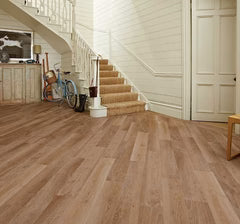
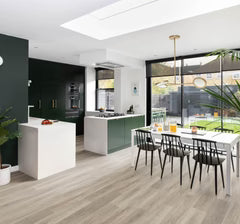
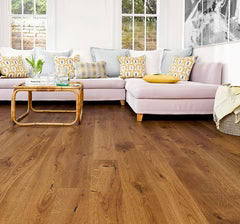
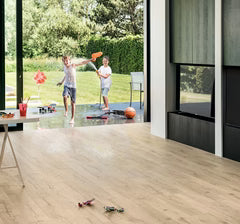
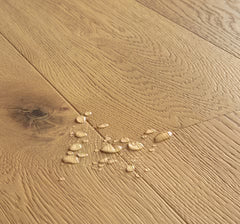
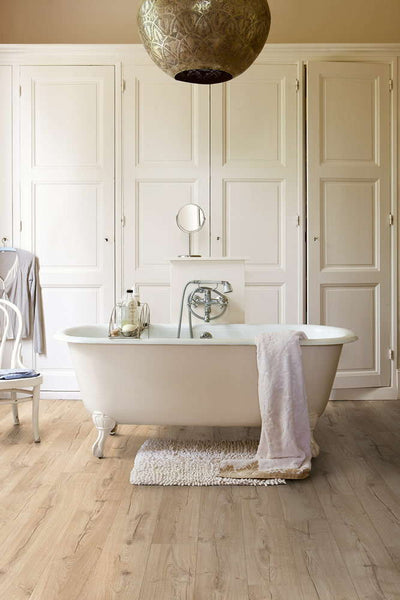
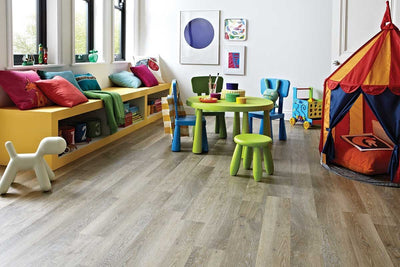
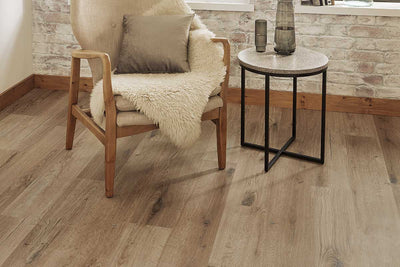
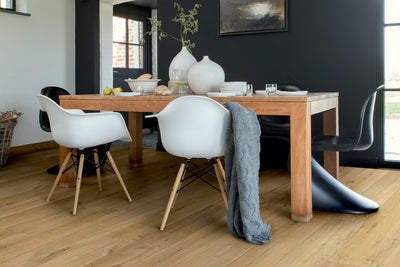
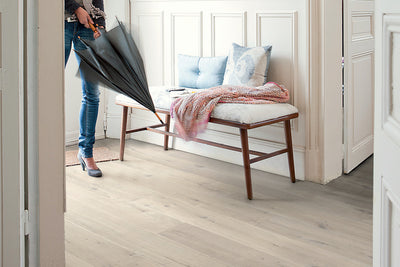
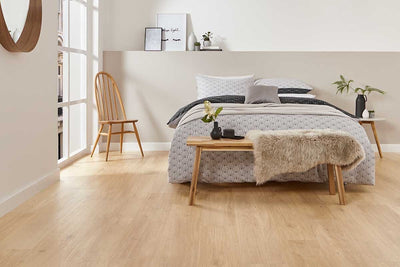
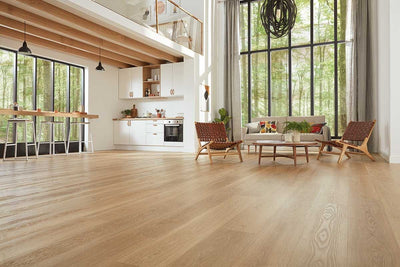
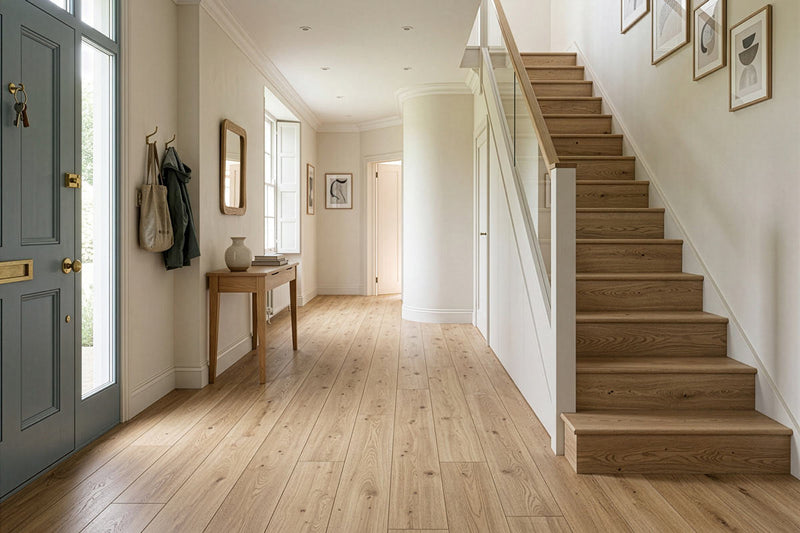
Wood flooring is a versatile and durable choice for kitchens, combining natural elegance with modern engineering. Engineered wood, in particular, is the best type of wood flooring to withstand the unique challenges of a kitchen environment. It copes well with changes in temperature and humidity. Protective finishes guard against spills and stains while offering scratch resistance for long-lasting beauty.
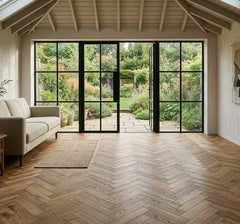
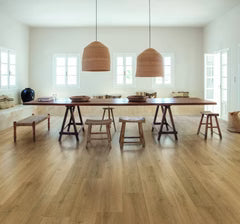
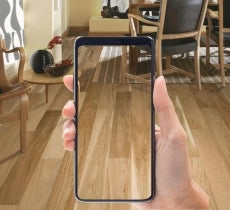
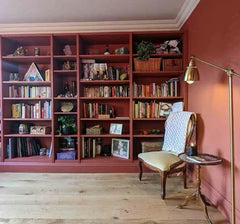
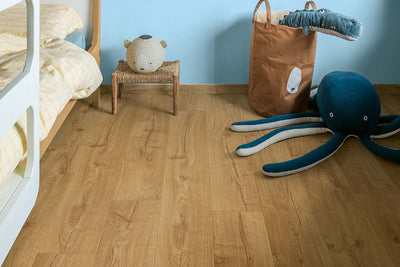
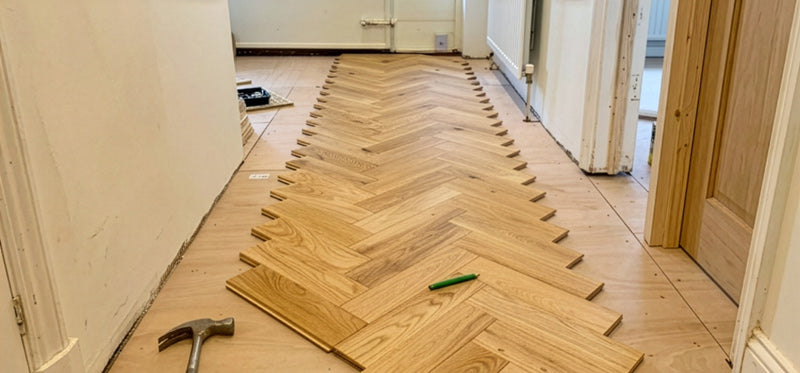
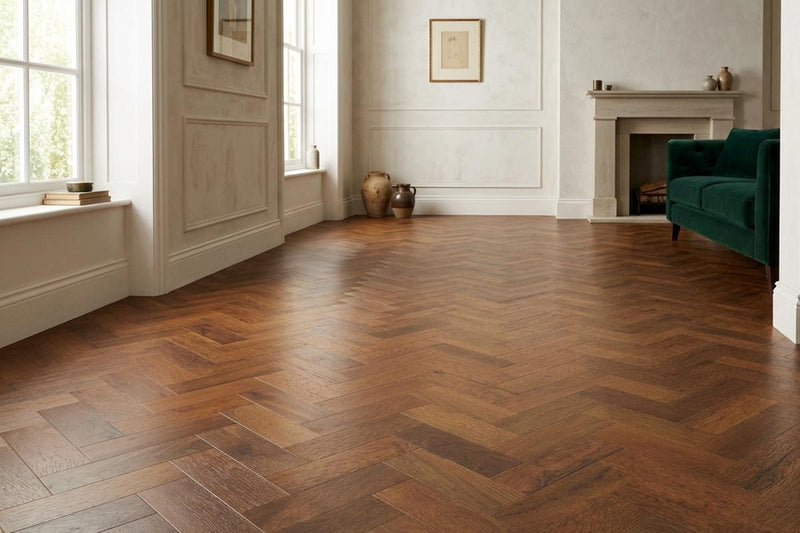
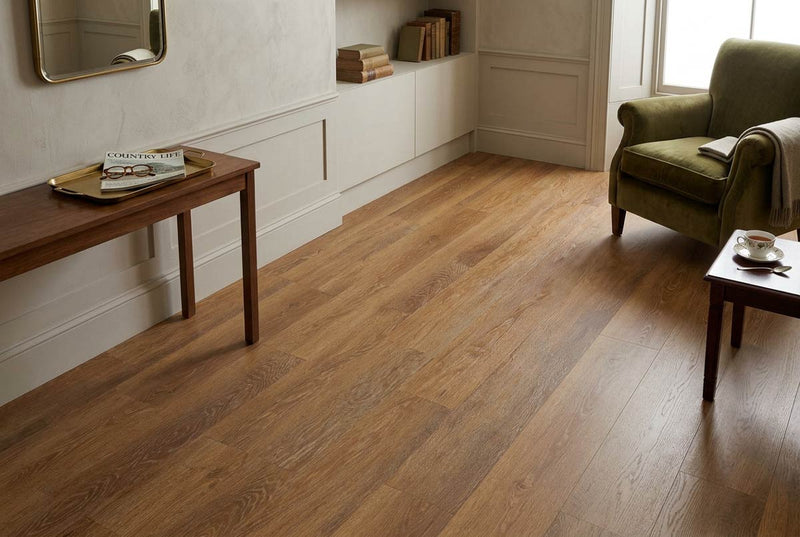
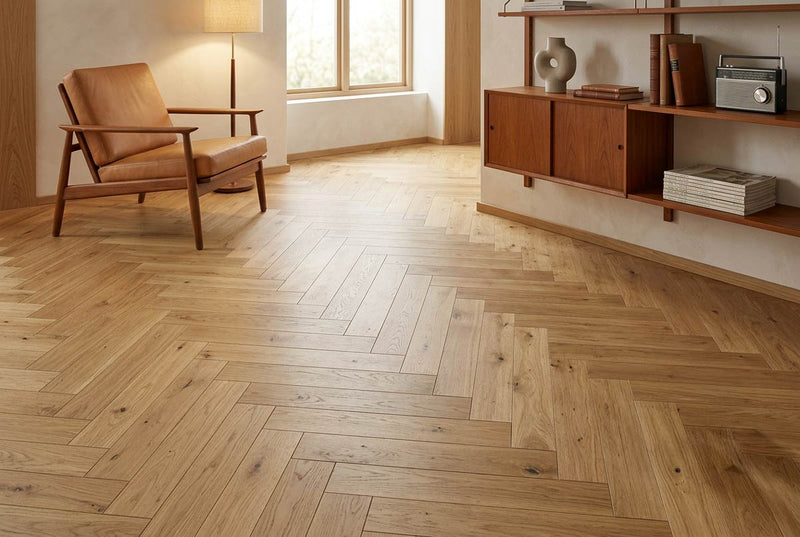
With natural insulation properties, wood flooring adds warmth underfoot, making the kitchen a welcoming space for family gatherings. Engineered wood’s robust construction ensures stability and longevity, even in high-traffic areas. Available in various styles, from classic planks to intricate herringbone patterns, wood flooring seamlessly blends functionality with sophisticated design, making it a smart choice for both modern and traditional kitchens.
How to Maintain Kitchen Wood Flooring
Maintaining wood flooring in your kitchen requires a balance of regular care and preventive measures to ensure its beauty and durability. Here are key tips for upkeep:
- Clean Spills Promptly: Wipe up spills immediately to prevent moisture from seeping into the wood, which could cause warping or stains.
- Sweep Regularly: Use a soft-bristle broom or vacuum with a hardwood setting to remove dirt and debris that can scratch the surface.
- Damp Mop Occasionally: Clean with a slightly damp microfiber mop and a wood floor cleaner designed for your specific finish. Avoid excess water, as it can damage the wood.
- Protect High-Traffic Areas: Place mats or rugs near sinks, stoves, and entrances to reduce wear and catch debris. Use non-slip and breathable mats to avoid trapping moisture.
- Use Furniture Pads: Attach felt pads to furniture legs to prevent scratches when moving chairs or tables.
Reapply Protective Finishes: Based on the floor's finish, reapply a protective sealant or oil over time if needed. This will restore the floor's lustre and strengthen its resistance to daily wear.